In an age where the cost of living is a constant concern and many are looking for ways to reduce their outgoings, the humble plug socket has come under scrutiny. A frequently debated topic in households across the UK is whether switching off and unplugging our electrical devices can genuinely lead to a noticeable reduction in our energy bills.
This article will look into the details of electricity consumption, explore the concept of “vampire energy,” and provide a comprehensive answer to the question: does turning plugs off save electricity?
The Hidden Cost of Convenience: Understanding Standby Power
Many of the electrical items we use daily are designed for convenience. Your television, for example, doesn’t fully power down when you press the ‘off’ button on your remote. Instead, it enters a standby mode, ready to spring back to life instantly.
This readiness comes at a cost. Appliances on standby are still drawing power from the electrical circuit. This low-level energy consumption is often referred to as “standby power,” “phantom load,” or more dramatically, “vampire energy.”
While a single device in standby mode may only consume a small amount of electricity, the cumulative effect of multiple devices left in this state can be substantial. Across a typical household, the number of appliances constantly drawing a small amount of power can add up, contributing to a higher than necessary electricity bill.
Vampire Energy: The Silent Drain on Your Finances
The term “vampire energy” aptly describes the way in which electronic devices can suck electricity from your sockets even when they are not in active use.
Research has shown that this wasted electricity can account for a significant portion of a household’s total energy consumption. Studies suggest that up to 30% of a home’s electricity bill can come from appliances left plugged in but not in use.
For the average UK household, this electricity waste could translate into a considerable amount of money spent for no reason. Estimates on how much you could save by diligently turning off appliances at the plug vary, but figures from various sources suggest it could be a noteworthy sum.
The Energy Saving Trust, for instance, estimates that a typical household could save around £45 a year simply by switching appliances off standby mode. Other reports suggest that the potential savings could be even higher, with some indicating that households could be squandering hundreds of pounds annually.
The Main Culprits: Which Appliances Consume the Most on Standby?
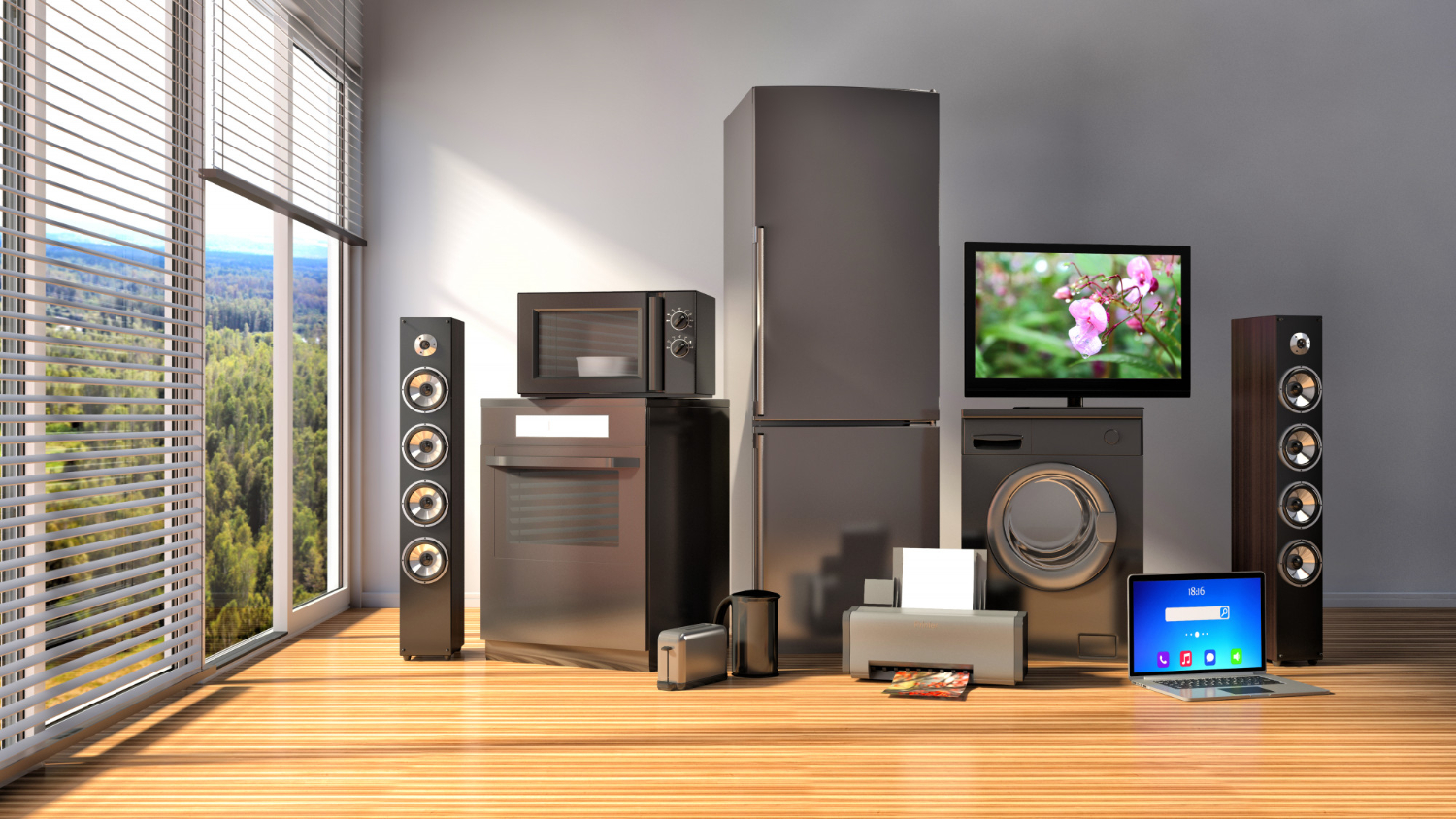
Not all appliances are created equal when it comes to standby power consumption. Some are far more inefficient than others, continuing to use a surprising amount of electricity even when seemingly inactive.
Here are some of the most common culprits you should be aware of in your household:
Televisions and Set-Top Boxes
Modern TVs, especially smart TVs, can be significant energy vampires. Your television and any accompanying set-top boxes for digital TV or satellite services often remain in a state of readiness, consuming energy to receive updates and respond instantly to the remote control. Unplugging them when not in use for extended periods could save you a considerable amount each year. Some estimates suggest that a digital TV box alone could be costing you around £40 per year in standby mode.
Games Consoles
Games consoles are notorious for their high energy consumption, not just during gameplay but also in their standby or rest modes. These devices often download updates and keep games suspended in the background, which requires a constant supply of power. While newer consoles are becoming more energy-efficient, leaving them on standby can still contribute to your electricity bill. For instance, an Xbox Series X has a higher standby power consumption compared to a PS5.
Computers and Laptops
Desktop computers, in particular, can be major offenders. Even when in sleep mode, they continue to draw power to maintain the state of your work. A charger for a laptop, even when the device is not connected, will still use a small amount of electricity. Shutting down your computer completely at the end of the day could lead to significant savings.
Microwaves and Other Kitchen Appliances
You might be surprised to learn that your microwave is constantly using electricity. The digital clock and the electronic controls require a continuous supply of power. While a modern microwave’s standby consumption is relatively low, older models can be less efficient. Similarly, other kitchen gadgets with digital displays or clocks, like your oven or coffee machine, also contribute to the phantom load.
Chargers
How many of us leave our phone charger, tablet charger, or laptop charger plugged into the wall socket even when the device isn’t connected? It’s a common habit, but that charger will still consume a small amount of electricity. While a single charger might not seem like a significant drain, the collective impact of multiple chargers left plugged in around the house can add up.
The Financial Impact: How Much Could You Actually Save?
To understand the potential savings, it’s helpful to consider the cost of electricity. As of late 2025, the average price for electricity in the UK is around 26.35 pence per kilowatt-hour (kWh). Let’s look at some specific examples of potential annual savings by turning off appliances at the plug:
| Appliance | Estimated Annual Saving |
|---|---|
| Desktop Computer | Up to £86 |
| Digital TV Box | Around £40 |
| Leaving appliances on standby (in general) | Around £45 |
| Televisions | Around £4 – £8 |
| Games Consoles | Around £5 – £12 |
These figures demonstrate that while turning off a single plug might only save a few pence a day, the cumulative effect across all your devices and over an entire year can be substantial. It’s money that is literally going to waste.
Practical Steps to Reduce Your Electricity Bill

Now that we’ve established that turning plugs off can indeed save electricity and, consequently, save you money, let’s explore some practical ways to tackle vampire energy in your home.
The Simple Act of Unplugging
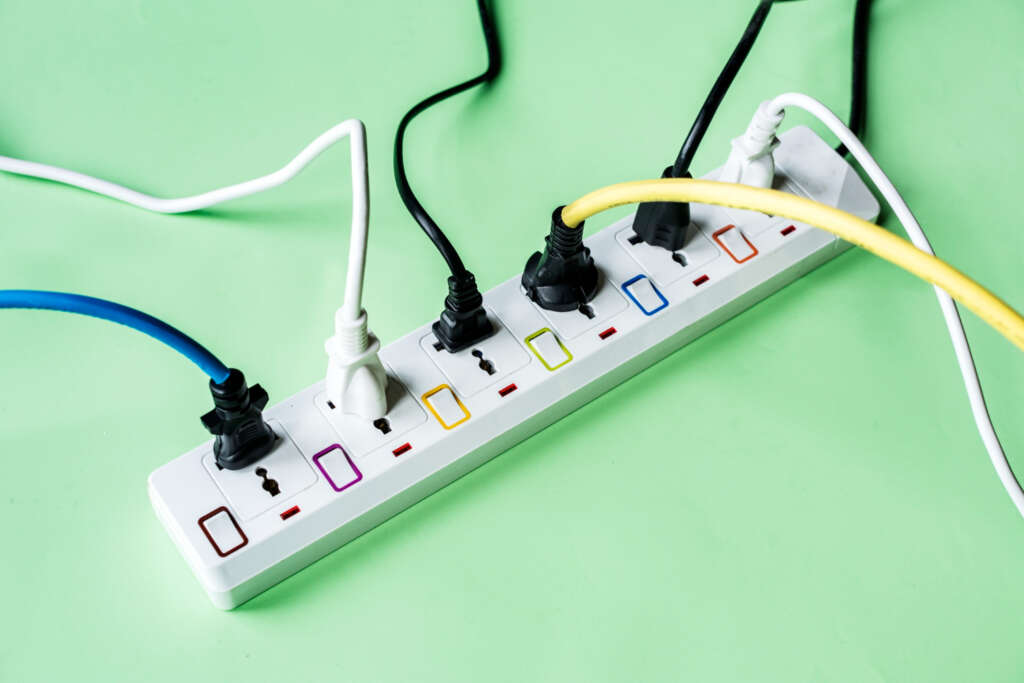
The most straightforward method is to simply turn off the switch at the plug socket or unplug the device altogether when it’s not in use. Make it a habit to switch off your television, games console, and computer at the wall before you go to bed or leave the house. An empty plug socket does not use any electricity because the circuit is not complete.
The Rise of the Smart Plug
For those looking for a more convenient solution, a smart plug can be an excellent investment. A smart plug fits between your appliance’s plug and the wall socket and can be controlled remotely via a smartphone app. This allows you to turn it off via your phone, set schedules for when devices should be powered on or off, and even monitor the energy consumption of individual appliances. This can be particularly useful for those hard-to-reach sockets behind furniture.
Be Mindful of Your Daily Habits
Small changes in your daily routine can make a big difference. For example, only fill the kettle with the amount of water you need, as this will use less electricity to boil. When you’ve finished using your toaster or microwave, make a conscious effort to turn off the switch at the socket. These small actions, when repeated consistently, contribute to a more energy-efficient household.
Consider Energy-Efficient Appliances
When it’s time to replace an old appliance, look for energy-efficient models. Appliances in the UK come with an energy label that rates their efficiency on a scale. Choosing a more energy-efficient model can lead to significant long-term savings on your electricity bills.
Conclusion
So, does turning plugs off save electricity? The answer is yes. While the saving from a single plug may seem like a mere penny, the cumulative effect of tackling vampire energy across your entire household can lead to a significant reduction in your annual electricity bill.
By being mindful of which appliances are left on standby, making a conscious effort to turn off the switch at the plug socket, and perhaps investing in smart plug technology, you can take control of your energy consumption. It’s a simple yet effective way to stop wasting energy and keep more of your hard-earned money in your pocket.