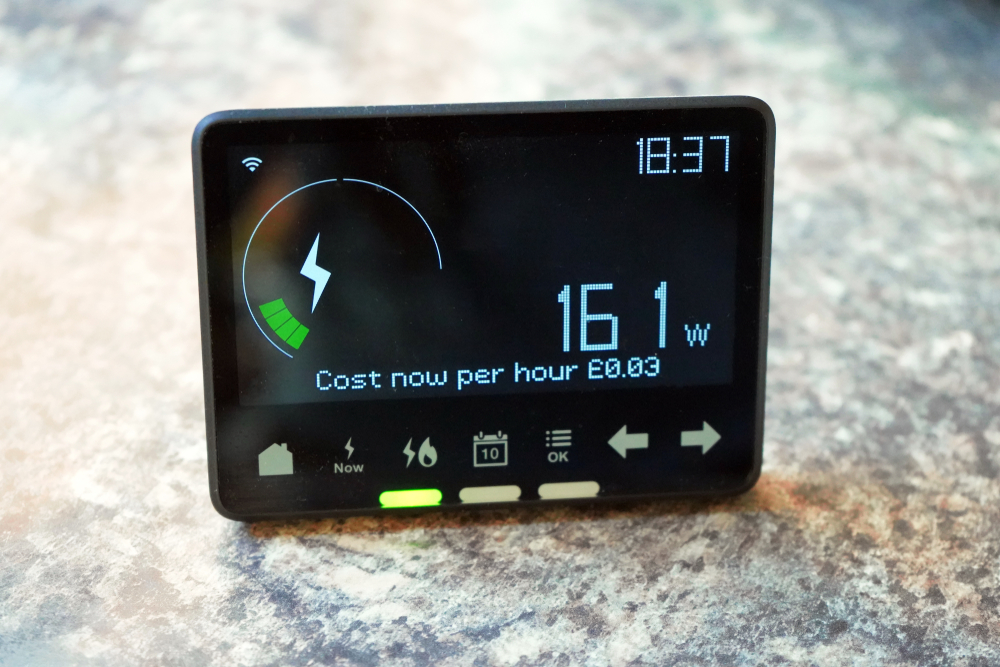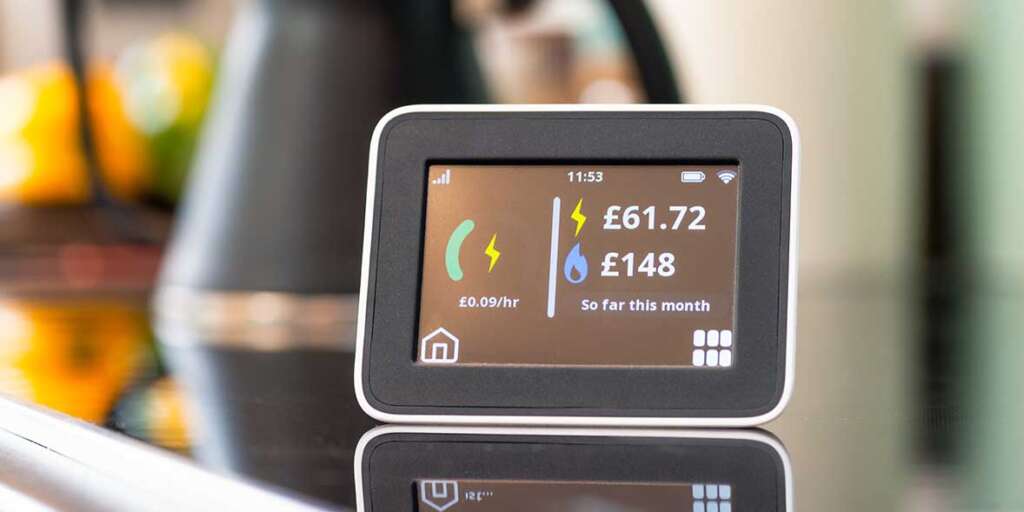
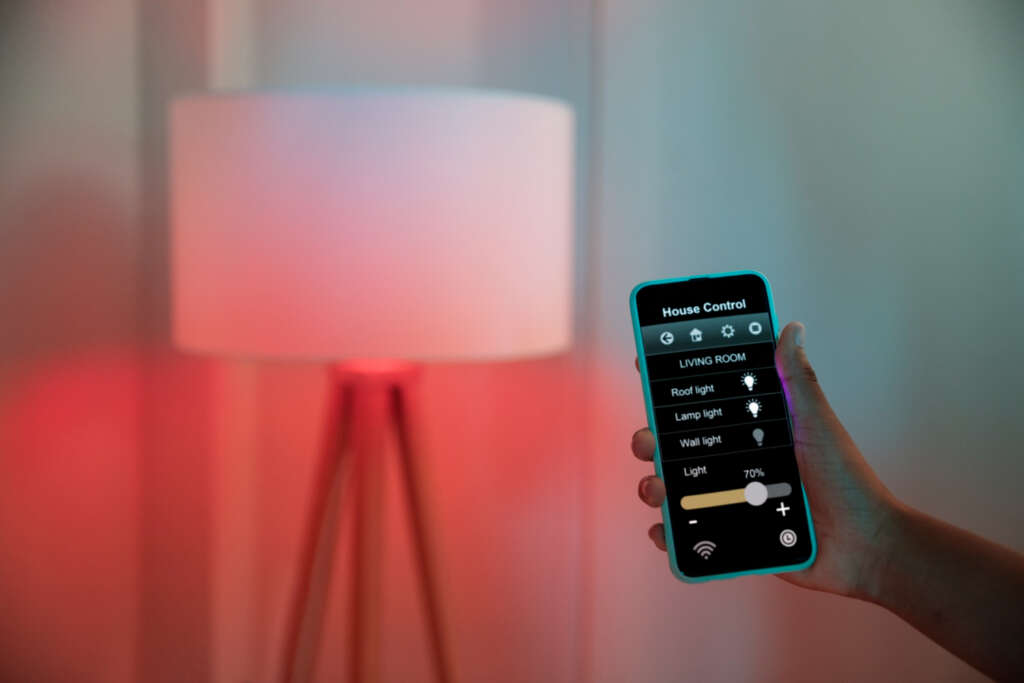
Smart lighting has changed how we illuminate our homes. With voice assistants and smartphone apps, smart bulbs offer convenience and control, letting you set scenes, schedule lights and adjust brightness.
Yet many people worry that the added electronics might increase electricity usage. This article explains how smart bulbs differ from conventional lights, how much energy they use and whether the benefits justify any extra power draw.
What Makes Smart Bulbs Different?
Smart light bulbs are LED lamps fitted with tiny computers and wireless radios. LEDs are inherently efficient: a seven‑ to ten‑watt smart LED can match the light output of a 60‑watt incandescent bulb.
Because LED technology converts more of the electrical input into light instead of heat, these bulbs use seventy to ninety per cent less energy and last far longer than incandescent bulbs. A typical LED bulb can last for about 25,000 hours, while incandescent bulbs often fail after around 1,000 hours.
The added circuitry allows the bulb to communicate over Wi‑Fi, Bluetooth or Zigbee, giving you control via an app or hub. You can dim the lights, set timers and change colours without touching a wall switch.
Because the bulb listens for commands, it must stay partially powered at all times. This standby state is the main reason smart bulbs draw a tiny amount of electricity even when the light is “off”.
Energy Use of Traditional Bulbs
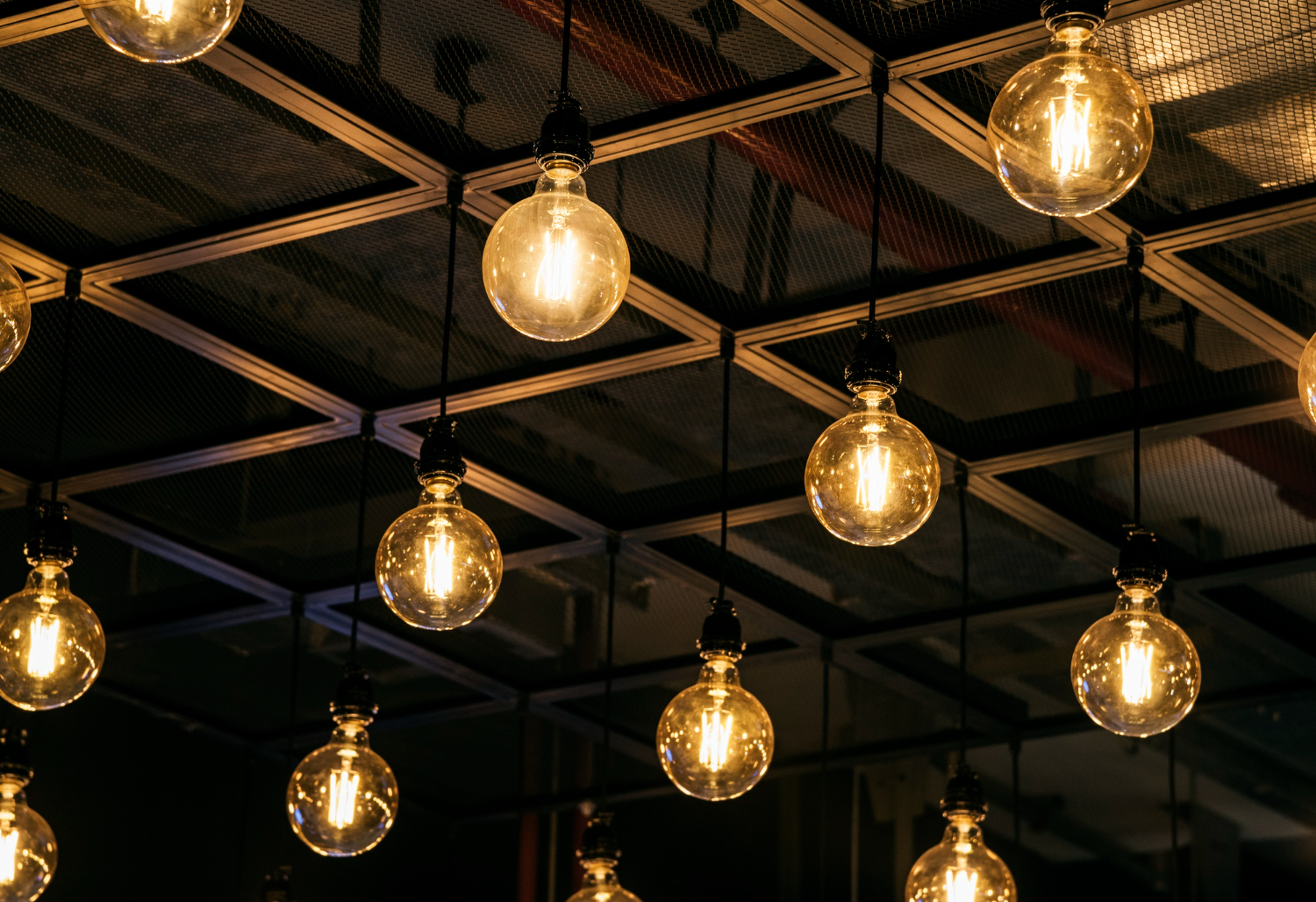
Incandescent lamps produce light by heating a filament until it glows. This method wastes most of the electricity as heat, so the bulbs consume high wattage for modest brightness and burn out quickly.
LEDs, on the other hand, emit light when current flows through a semiconductor. They produce the same brightness with a fraction of the power and last tens of thousands of hours.
Power Consumption When On
Smart bulbs draw nearly the same power as standard LED bulbs when lit in a smart home. Most need about seven to ten watts to provide the brightness of a 60‑watt incandescent lamp. The extra electronics inside a smart bulb add little to that consumption.
When you replace an incandescent bulb with a smart LED, you cut the power use dramatically and reduce heat output. Even compared with a standard LED bulb, the power draw while lit is similar, so the question of extra consumption centres on standby power.
Standby Power Draw
The key difference between smart and standard LED bulbs is standby power. Smart bulbs must stay connected so they can respond to commands. Mirsky Electric reports that smart bulbs use around 0.2 to 0.5 watts in standby mode.
The International Energy Agency’s tests found standby figures as low as 0.15 watts and as high as 2.7 watts. In most cases, a bulb’s annual standby consumption equates to only a few kilowatt‑hours, which is roughly one or two pounds a year.
If you have many smart bulbs, choosing models with low standby ratings can make a noticeable difference.
Do Smart Bulbs Increase Electricity Bills?
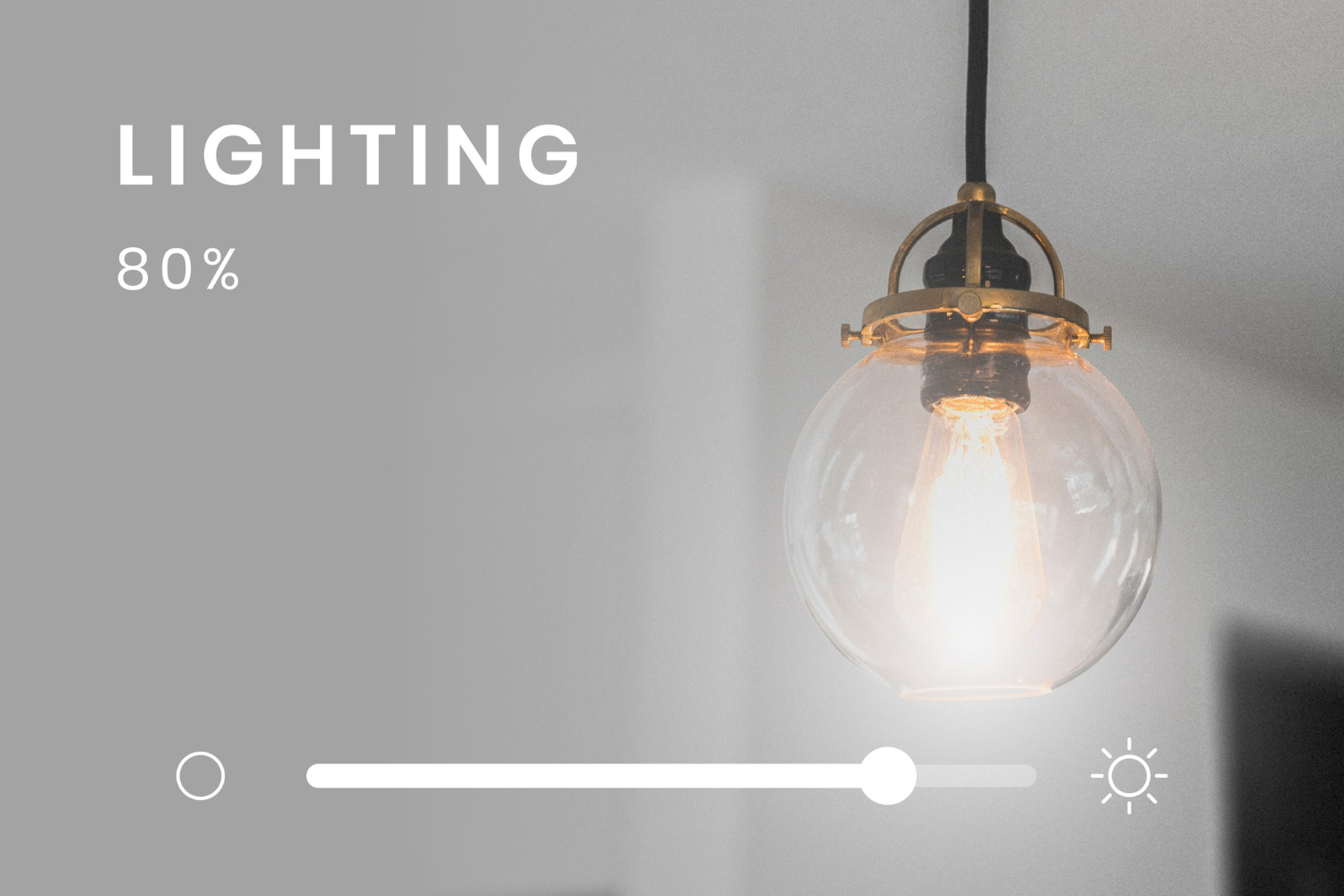
To see if smart bulbs use more electricity, compare them with what they replace. Swapping an incandescent bulb for a smart LED will almost always reduce energy consumption because the LED uses about one‑sixth of the power when illuminated.
Even when you add the tiny standby draw, the savings are significant over a year. Compared with a standard LED, the difference is just the standby power. A smart bulb might cost about a pound more per year to run than a basic LED because it stays connected.
Whether that difference matters depends on how you use the lights. If you often leave lights on by accident or want to create schedules and scenes, the smart bulb can offset its standby usage by reducing wasted light. Using motion sensors to ensure lights switch off when rooms are empty can also save energy.
Features That Help Save Energy
Smart bulbs can help manage electricity consumption. Scheduling allows lights to turn on and off automatically at set times. You can set outdoor lights to switch off at sunrise and come on at dusk without manual intervention.
Dimming functions let you lower brightness, and lower brightness cuts power use proportionally. Motion sensors can turn lights on only when someone is present, preventing lights from being left on all day. Energy monitoring tools show how much electricity each bulb uses.
By analysing this data, you can identify patterns and adjust usage. Integrating bulbs with other smart devices amplifies the benefits; smart thermostats can coordinate heating and lighting to create comfortable conditions without wasting electricity.
Practical Tips to Reduce Electricity Use
Here are simple practices for getting the most from smart lighting while keeping electricity use low:
- Set schedules: Create daily routines in your smart app so lights switch off automatically during daylight hours or after everyone goes to bed.
- Group bulbs by area: Grouping bulbs lets you control several at once, making it easy to turn off all lights in a room when leaving.
- Dim when possible: Adjust brightness to match your needs rather than running bulbs at full power. Lower light levels use less electricity.
- Install motion sensors: In hallways, bathrooms and closets, occupancy sensors switch lights on only when needed.
- Keep firmware updated: Updates can improve efficiency or fix connectivity issues.
- Consider a hub for many bulbs: If you install dozens of bulbs, a hub may reduce total standby consumption even though the hub itself uses a small amount of power.
Choosing Efficient Smart Bulbs
When shopping, look at lumens relative to watts: an efficient bulb delivers around 800 to 1,100 lumens while using under ten watts. Seek out products certified by programmes like Energy Star, which set standards for both on‑mode efficiency and low standby power.
The IEA notes that some smart lamps achieve standby power as low as 0.17 watts. Decide whether you prefer Wi‑Fi bulbs, which are simple to set up, or Zigbee/Z‑Wave bulbs that connect through a hub; a hub uses a bit of power itself but can reduce each bulb’s standby draw.
Are Smart Bulbs Worth It?
Smart bulbs do not use more electricity than incandescent bulbs and often use much less. Compared with standard LED lights, they draw a small amount of standby power, usually between 0.2 and 0.5 watts.
Whether this matters depends on how you use the lights. If you enjoy the convenience of controlling lights with your phone, creating schedules and adjusting brightness or colour, the tiny extra cost is likely worthwhile. If all you need is efficient lighting with no extra features, basic LED bulbs remain the lowest‑cost option.
Conclusion
Smart bulbs represent a blend of efficient LED lighting and connectivity. They consume far less energy than traditional incandescent lamps and only slightly more than standard LEDs. The small standby draw enables features like remote control and automation, which can help you avoid leaving lights on and reduce overall energy use.
Research shows that smart bulbs can cut energy use by up to ninety percent compared with incandescent bulbs and that some models have very low standby power. When chosen carefully and used wisely, smart bulbs can provide convenience and energy savings without significantly increasing your electricity bill.