Smart metering changes how homes and small businesses in Great Britain measure and manage their energy use. A smart meter is a digital electricity meter that records how much energy you use and sends accurate meter readings to your energy supplier over a secure national network.
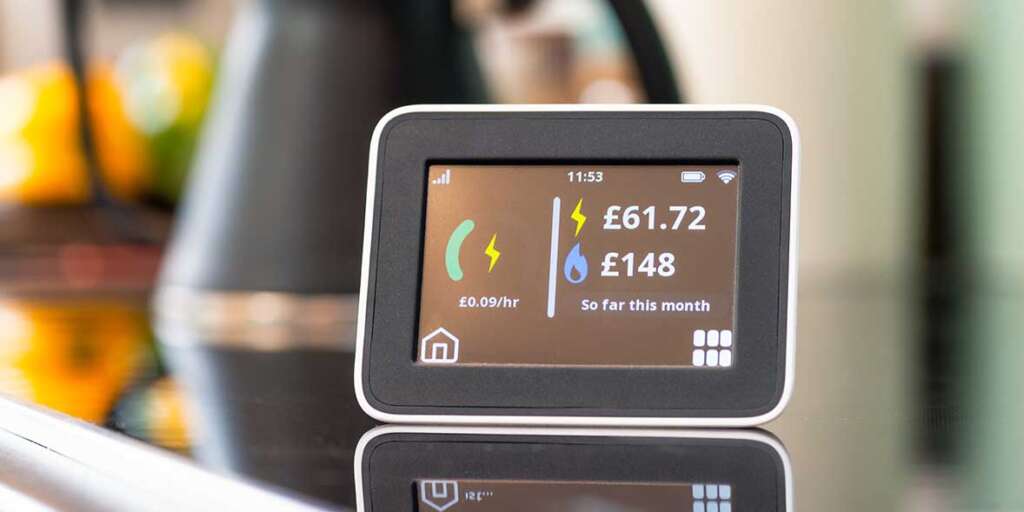
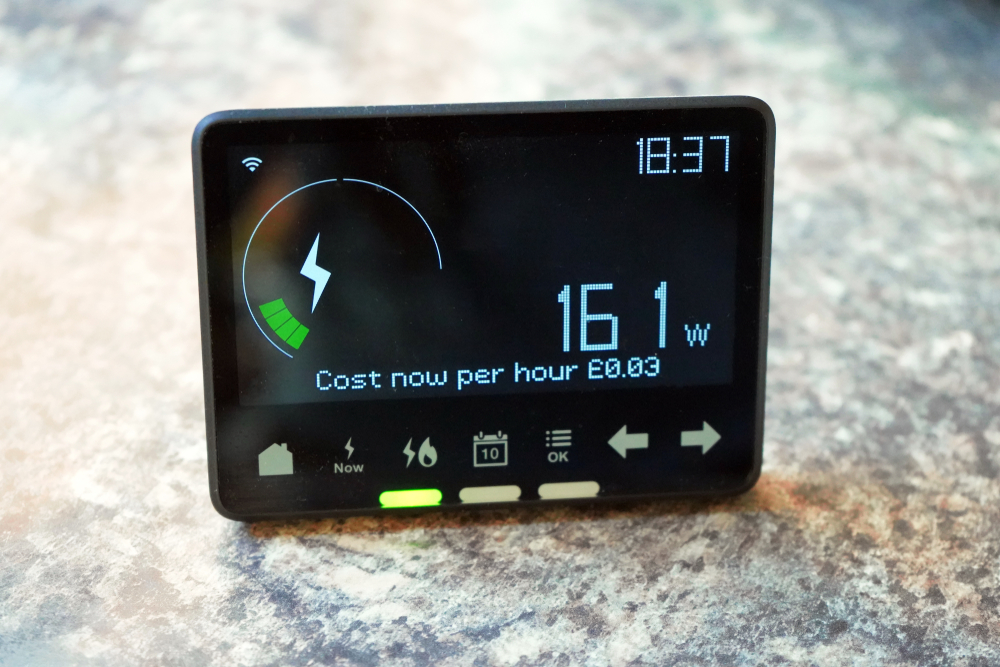
Most homes also have a companion gas meter and an in-home display that shows how much energy you’re using in near real time, in pounds and pence as well as kilowatt hours. This simple change helps the energy system run more smoothly, supports renewable energy on the grid, and helps you reduce your energy.
Instead of taking manual meter readings every few months, your electricity smart meter can send meter readings automatically each day or every half hour, so you only pay for the energy you actually use. That cuts estimated bills and makes it easier to track your energy use.
How Smart Metering Works In Great Britain?
Smart meters connect to a national data network run by the Data Communications Company, often called the Smart DCC. This smart meter network links millions of meters to energy companies, so meters send readings to your energy supplier without you doing anything. When meters installed today connect to the DCC, they keep their smart functionality even if you switch energy supplier.
Comparison:
- Traditional meters sit on the wall like a traditional meter and need you to send your meter readings to your energy supplier.
- Smart meters look like a traditional meter but add a communications hub. The smart meter sends readings to the supplier and to the in-home display, which shows how much energy you use and what it costs.
Today’s rollout uses second-generation meters known as SMETS2. These connect to the DCC so meters will work across suppliers.
Earlier generation smart meters called SMETS1 sometimes lost smart mode after a switch, though many now connect to the DCC. If an older meter cannot connect, your supplier should replace it with a new meter.
Tip: When you book a smart meter installation, ask for SMETS2 if your area can connect to the smart network.
The Parts You Will See At Home
A typical setup for electricity and gas includes four parts:
- Electricity Meter: Measures your electricity smart usage in half-hour blocks and stores your energy consumption data securely.
- Gas Meter: A smart gas meter measures how much gas and electricity you’re billed for across both fuels and sends data via the same communications hub.
- Communications Hub: Connects your meters to the DCC wide-area network and to the in-home display.
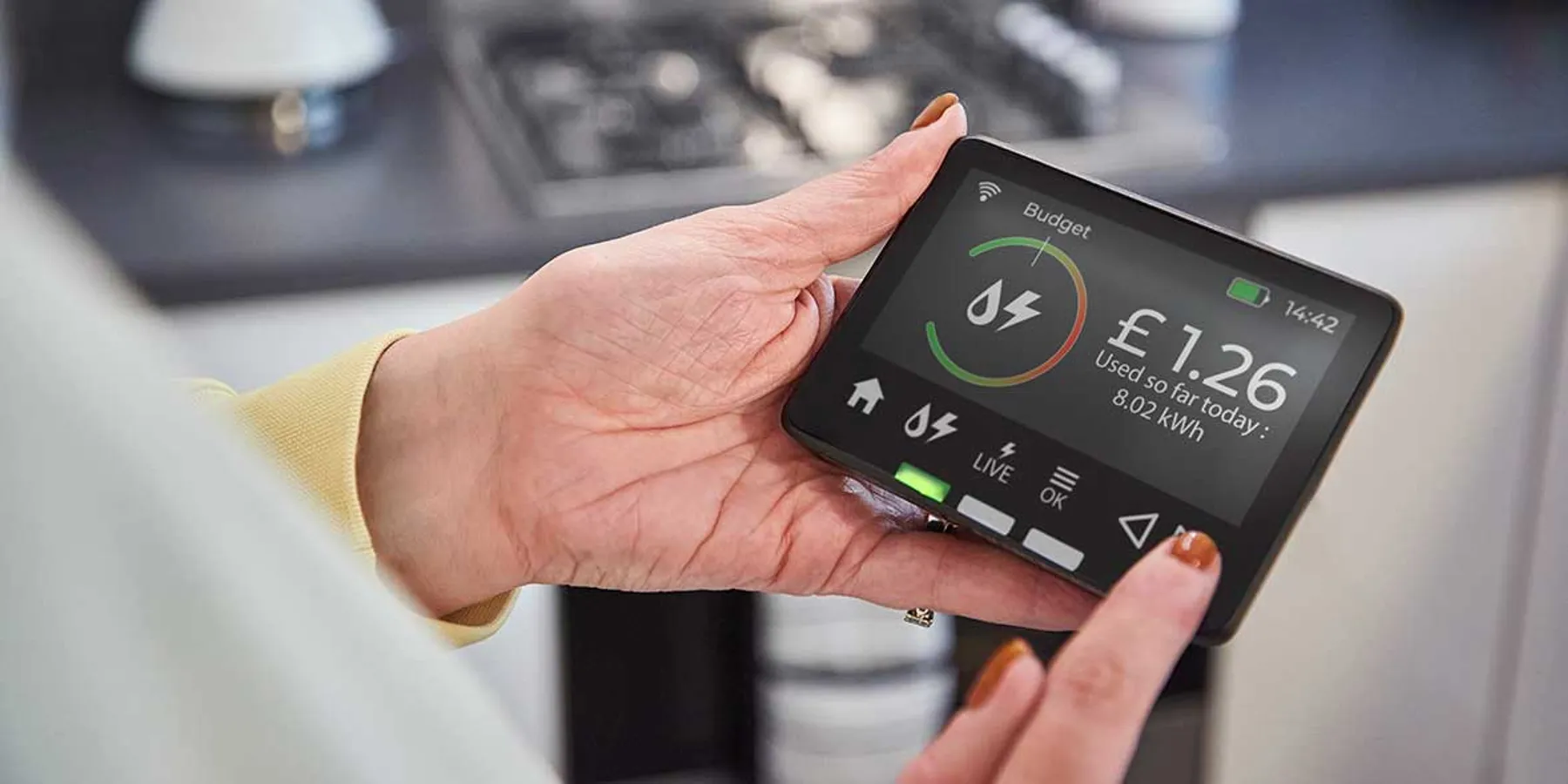
- In-Home Display (IHD): A small screen that shows how much energy you’re using now, today, this week, and what that costs. Many IHDs also help prepayment customers top up.
Quick Test: Place the IHD where it stays close to your meters with few walls between. If the IHD does not show usage or prepayment balance, move it closer, plug it into a different socket, or restart it. If problems persist, contact your supplier.
The Benefits Of Smart Meters
Smart meters help in several clear ways. The benefits of smart meters reach you, your energy supplier, and the wider energy system.
1. Accurate Bills And Fewer Hassles
Smart meters automatically send meter readings to your energy supplier, so you do not need to send your meter readings manually. You pay for the energy you actually use, which reduces bill shocks and removes estimated bills.
2. Clearer Information For Managing Your Energy
The in-home display shows how much energy you use and what it costs in near real time, so you can track your energy use and manage your energy usage day by day. Energy monitors of this kind help you spot appliances that use much energy and help you save energy and money.
3. Access To Smart Tariffs And Services
Customers with smart meters can join time-of-use tariffs that reward you for using energy when electricity is cheaper to produce and move across the grid. Some suppliers even run events where households get paid to use electricity less at peak times under the national Demand Flexibility Service, which relies on smart meter data. These smart services can help you save money with a smart tariff if you shift usage outside peaks.
4. Easier Prepayment
If you use a prepayment meter, a smart meter in prepay mode lets you top up online or by app and see your balance on the IHD. That makes it simpler to manage credit and reduce your energy use if needed.
5. Support For Renewable Energy Sources
Smart metering supports more renewable energy by providing half-hour data that helps balance the system. Time-of-use pricing and flexibility services help shift demand to times when wind and solar generation is high. This produces a cleaner, more efficient grid.
How Many Smart Meters Exist And What Comes Next?
By mid-2025, millions of smart meters were in homes and small businesses across Great Britain. Government statistics report nearly 40 million smart and advanced meters in operation, with the majority working in smart mode.
The programme aims for a higher share of households and small firms with meters installed by the end of 2025. This ongoing rollout of smart meters sets individual installation targets for suppliers each year.
These official figures give a clear number of smart meters and show steady progress. Knowing the scale helps people who have smart meters see that the system is established and still improving.
What To Expect During Smart Meter Installation?
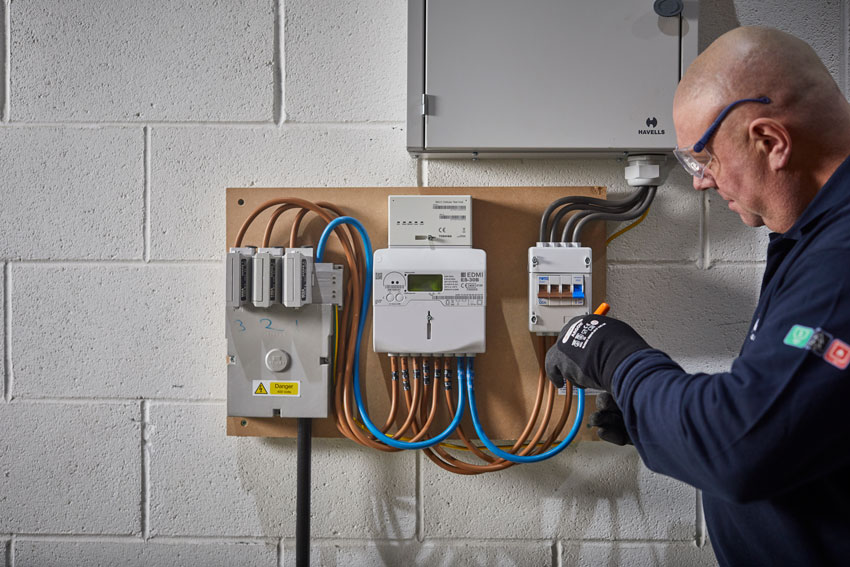
When you get a smart meter, your supplier books a slot and sends an engineer to install your smart meter. Installation usually takes about two hours for both the electricity and gas meter.
The engineer replaces the old meter or older meter with a new meter, checks safety, pairs the IHD, and explains the basics. You should receive clear information about how the meters will work and how your supplier handles your energy consumption data.
If you already have a smart meter that is not working in smart mode, your supplier may reconnect it to the DCC or replace it.
Checklist:
- Ask who to contact if you have problems with your smart meter.
- Confirm that the smart meter sends readings and that your account shows smart meter readings soon after.
- Keep the IHD plugged in so it shows how much energy you are using.
Costs and Payment: You do not pay upfront to install your smart meter. Installation is part of wider industry costs that all customers share, and you continue to pay for the energy you use as normal.
Data, Privacy, And Switching Supplier
Smart meters collect detailed energy consumption data. You can choose how often your meter shares half-hour data for services such as smart tariffs. Your supplier must protect this data and use it only for agreed purposes.
You can switch energy supplier without losing smart functions on SMETS2 devices because they connect to the smart DCC network used across the energy industry.
If your meter falls back to traditional mode, it still works like a manual meter, and you can still send your meter readings until the connection is restored.
If you plan to switch, check that your online account shows meter readings automatically before and after the switch. If not, log readings to avoid gaps.
Time-Of-Use, EV Tariffs, And Getting Paid For Flexibility
Smart metering opens the door to smart energy tariffs that vary prices by time. Some suppliers offer dynamic rates that follow wholesale prices. Half-hour data from your meter makes billing accurate under these tariffs.
Others offer fixed off-peak windows that suit EV charging or home battery charging. National flexibility events can reward households for turning usage down when the system is tight. These offers require a working electricity smart meter.
Use Case:
- Run the washing machine overnight on a flexible tariff.
- Charge an EV on a cheap night rate.
- Join a flexibility event to earn rewards by shifting load. These smart meters also support cases where wholesale prices go negative, which can mean very low prices and rare events where you are paid to use electricity.
Prepayment, Accessibility, And Support
A smart prepayment meter gives you more ways to top up. You can top up online, by app, by phone, or in a shop. Your IHD shows your balance for gas and electricity, which helps you manage credit and avoid running out.
If your IHD refuses a top-up, contact your supplier at once so they can fix it or credit your meter. Customers with smart meters in prepay mode often find it easier to manage their energy use and keep track of spend.
Smart Energy GB offers clear guides on IHD features that help you save energy and improve energy efficiency at home.
Troubleshooting: When Things Do Not Work As Expected
Smart meters sometimes lose connection and stop sending data, which suppliers describe as smart mode being unavailable. The meter still records usage like a traditional meter, so you can send your meter readings while your supplier restores the link.
If your in-home display stops showing usage, try the simple steps above. If issues continue, contact your supplier to check the meter and the smart network connection.
When To Call Your Supplier:
- Your bills show estimates despite a new smart meter.
- Your IHD never shows energy you’re using or balance.
- Your account does not show meter readings to your supplier after several days. Suppliers now face stronger standards and proposed compensation for long delays to fix meters.
Frequently Asked Questions
What Type Of Meter Will I Get?
Most homes receive an SMETS2 type of smart meter for electricity and a compatible type of gas meter. Together, they work as an automated meter system that sends readings securely.
Can I Choose Not To Get A Smart Meter But Think About It Later?
Smart meters are not compulsory for households, though smart meters to be installed remains a national goal. You can book later if you prefer. If you already have a smart meter, your supplier can restore or replace it if it stops working in smart mode.
Will Smart Meters Help With My Energy Bills?
Smart meters help you manage your usage and access new tariffs. You can save money with a smart approach when you use the IHD, shift loads, and cut waste. Results vary by habits and home. Suppliers and independent bodies advise that smart tools can help you save energy when used actively.
Can I Switch Supplier Easily?
Yes. SMETS2 meters keep their smart features when you switch energy supplier. If your earlier meter loses smart functions, your supplier can connect it to the DCC or install a new smart meter.
Who Oversees The Programme?
Government sets the rules, energy companies install meters, Ofgem regulates suppliers and the DCC, and Smart DCC runs the secure network. Smart Energy GB runs national awareness campaigns for consumers.
Will My Meters Work If I Have Poor Signal?
Coverage for the smart network reaches almost all premises. Some areas need extra work to connect. Your supplier will check whether they can connect to the smart network at your address.
Conclusion
Smart metering gives a clear view of the energy you use, replaces estimates with accurate meter readings, and keeps bills fair. With an in-home display, you see costs as they rise and fall and can cut waste.
A SMETS2 smart meter keeps working if you switch energy supplier and supports time-of-use tariffs and flexibility events that reward demand shifts. Used well, it helps you save energy and money while supporting a cleaner, more reliable grid powered by more renewable energy.