The eco setting on a washing machine seeks to reduce electricity use and lower water consumption while keeping clothes clean. This feature appears on models from most washing machine manufacturers and on many dishwashers. The idea that eco mode saves energy seems straightforward, but the reality has useful detail.
This article explains how the eco setting works, why most energy savings arise from lower water temperature, and when the setting may not give large savings. The aim is to provide clear, practical guidance you can use at home to reduce electricity and water use.
How The Eco Setting Works?
Manufacturers label the feature in different ways: eco mode, eco programme, eco wash or eco cycle. The basic approach remains consistent. The machine reduces the water temperature, alters drum movement and rinse behaviour, and extends the wash time.
The combination lets detergent remove soils at lower heat and uses more mechanical action to compensate for reduced hot water. Some machines reduce the amount of water and adjust spin speed. Other models estimate load weight and adapt the amount of water the drum takes in, which avoids heating unused litres.
Heating Water Uses Most Energy
Heating water makes up the biggest share of a washing machine’s electricity demand. When the machine heats water to a hot setting, the heater or the home hot water supply must raise the temperature for each litre.
Lowering the temperature to 30°C or 40°C cuts the energy the heater must supply by a large margin. The drum motor and pump use electricity, but that use remains small compared with the energy used to heat water. For that reason, eco programmes that keep temperatures low will usually save electricity.
Why Longer Eco Cycles Can Save Energy?

The eco programme often runs longer to allow time for detergent and agitation to remove stains without high heat. The machine soaks and moves garments more, relying on mechanical action rather than heat.
Modern detergent formulas work at lower temperatures, so a longer eco cycle at 30°C or 40°C can clean common stains effectively. Short hot cycles clear soils faster, but they cost more because the machine heats a larger volume of water to a higher temperature.
Several makers explain that a longer, low-temperature eco programme can be the most efficient choice for everyday laundry.
Water Volume, Rinse Behaviour and Trade-Offs
Eco programmes can change the amount of water the appliance uses. Some designs cut water volume and compensate with longer drum movement. Others use extra soak or a slightly different rinse sequence to remove detergent and soil.
The overall energy and water consumption varies across models and across programme choices such as cotton, synthetics or delicates.
The industry uses a standard eco 40–60 programme so shoppers can compare kWh figures across machines. That standard makes apples-to-apples comparisons possible when you read labels and manuals.
When Eco Mode May Not Save Electricity?
Eco mode will not always deliver large savings. If you run small or half-empty loads you reduce the benefits because the machine still heats a minimum volume.
Choosing eco but setting a hotter temperature cancels the saving since heating water remains the main energy cost. Very soiled garments and some stains may need a hot wash to remove bacteria, grease or deep dirt.
In those cases a hotter programme or a pre-wash could give a better clean despite higher energy use. Also, some machines rely on extra water rather than extra heat for certain programmes, so the balance between water and energy differs across models.
Detergent Choice And Cold Water Washing
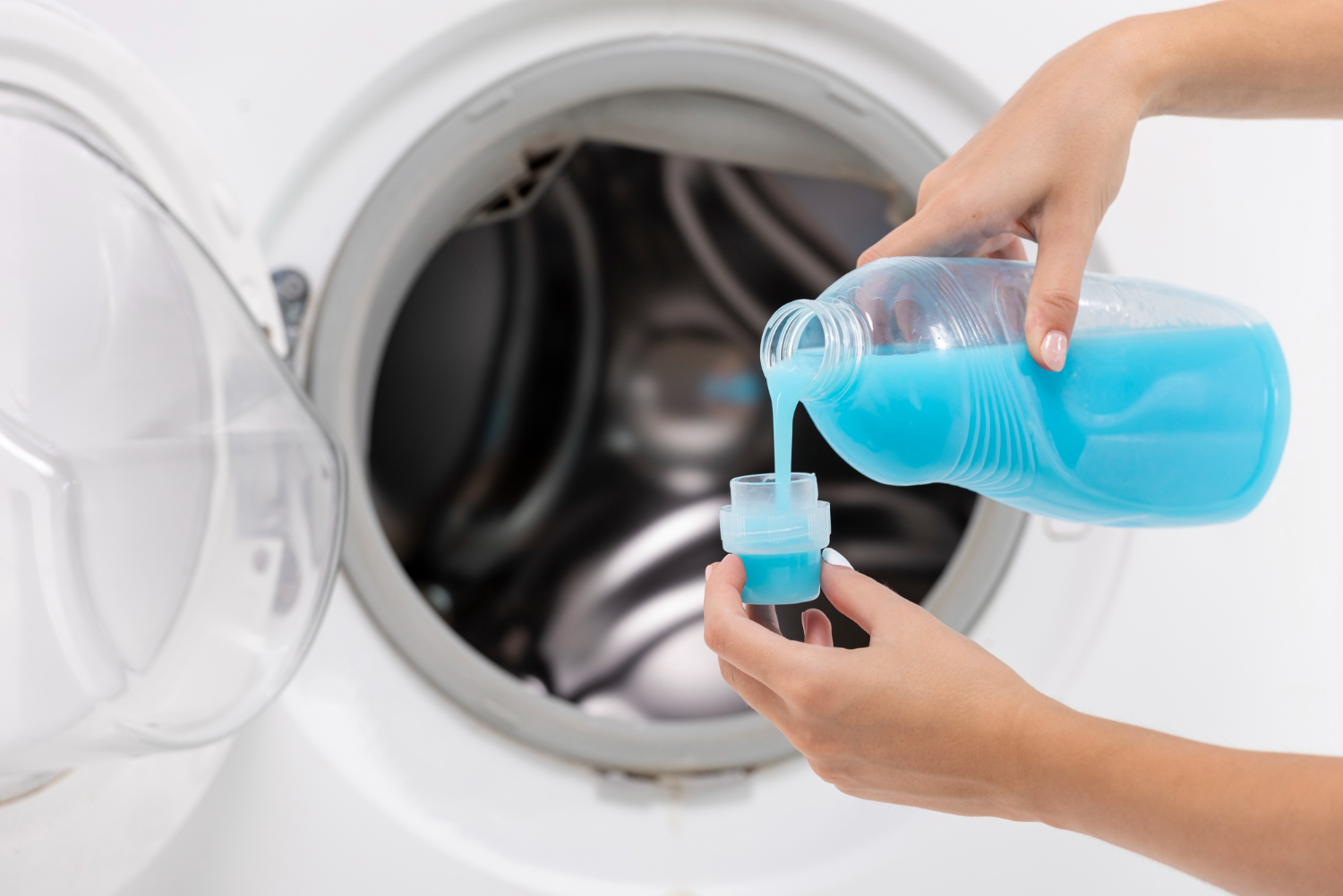
Using the right detergent matters when you lower the temperature. Many modern laundry detergents state suitability for 30°C or cold water. Use a detergent designed for low-temperature washing and follow the recommended dose. Too much detergent causes residue that can lead to extra rinse cycles.
If detergent dissolves poorly at low temperature, the clothes may not come out clean and you risk running repeat cycles, which undoes any saving. For best results with eco programmes, use a quality laundry detergent that lists low-temperature performance.
Practical Steps To Reduce Electricity Use
To make eco mode effective, follow a few habits. Run full loads that still allow clothes to move freely in the drum; overfilling reduces cleaning and underfilling wastes energy. Use the eco programme for everyday items that are not heavily stained. Avoid pre-wash unless items need it.
Clean the detergent drawer and the filter occasionally so residues do not cause extra rinses. If your tariff uses lower rates in the early hours, schedule washes then to lower the cost shown on your meter. These steps improve the odds that eco mode will lower your electricity bills.
How Much Money Can You Expect To Save?
Exact savings depend on how often you run the machine, the mix of temperatures you use and your local tariff. Moving many washes from a hot 60°C cycle to a 30°C eco programme produces the largest savings because the heater uses far less energy.
To estimate a likely saving, check the kWh per 100 cycles for the eco 40–60 programme on the appliance label; compare that figure with the kWh for your current pattern and multiply by the unit price that appears on your meter.
Energy advice bodies publish examples and practical tips that show lowering wash temperatures and shifting appliance use away from peak times produces measurable reductions.
Limits and Hygiene Considerations
Do not use the eco programme for all loads. Towels, bedding and items that contact raw food can need hot cycles for hygiene. Research on dishwashers shows that eco cycles may not reach temperatures that remove bacteria from plates used with raw meat, so select a hotter programme when hygiene is the priority.
Treat eco as a tool to cut electricity and water for most loads, but choose higher temperatures where hygiene, deep stains or specific cleaning standards require them. Run a maintenance hot wash occasionally to keep the drum hygienic.
Conclusion
The eco setting on a washing machine will often save electricity. The saving comes mainly because the appliance heats water to a lower temperature and uses longer drum action to clean. To get the benefit, use the right detergent, run full loads and select the eco programme for everyday laundry. For heavily soiled items or where hygiene matters, choose a hotter programme.
Check the appliance energy label and the manufacturer guidance and use the meter and tariff details to estimate the likely savings. Following these steps will give you better control of energy consumption and lower running costs where eco modes suit your laundry needs.